FORD 643.FD1G01 Passenger Door Latch Lock Actuator
fits model: Mustang. make: Ford. year: 1999–2004.
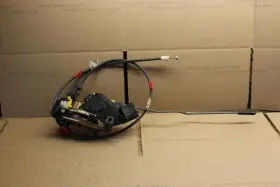
( Conditions Options: A, Rh Door Lock Act ), ( Genuine Oem: Yes ), ( Ipn: 643.fd1g01 ), ( Year: 2001 ), ( Type: Door Lock ), ( Placement On Vehicle: Front, Right )
Review FORD Passenger Door Latch Lock Actuator fits MUSTANG 1999–2004
The Ford 643 FD1G01 Passenger Door Latch Lock Actuator is an essential component of your 1999-2004 Ford Mustang's door system. This actuator is responsible for the seamless and secure operation of the passenger door latch, ensuring that the door closes properly and stays secured while the vehicle is in motion.
The actuator is a compact, yet robust piece of engineering, designed to withstand the daily wear and tear of vehicle use. It is made from high-quality materials, including durable plastics and metals, ensuring longevity and reliability. The actuator's design is sleek and unobtrusive, fitting seamlessly into the door frame without compromising the overall aesthetic of your Mustang.
The Ford 643 FD1G01 Passenger Door Latch Lock Actuator operates on a simple yet effective principle. When you close the door, the actuator engages, pulling the door latch into the locked position. When you open the door, the actuator releases the latch, allowing the door to open smoothly. This operation is critical for the safety and convenience of the vehicle's occupants.
However, like any other automotive component, the actuator can wear out or fail over time due to regular use, environmental factors, or accidental damage. Symptoms of a faulty actuator include difficulty in opening or closing the door, the door not locking properly, or a loud clicking noise when attempting to lock or unlock the door. If you notice any of these issues, it's time to replace the actuator.
Fortunately, replacing the Ford 643 FD1G01 Passenger Door Latch Lock Actuator is a relatively straightforward task for most DIY enthusiasts. The actuator is easy to remove, and the new one can be installed with the use of common tools such as a socket wrench and a screwdriver. The replacement process is well-documented in online guides and Ford's official service manuals, providing step-by-step instructions to ensure a hassle-free installation.
In conclusion, the Ford 643 FD1G01 Passenger Door Latch Lock Actuator is a vital component of your 1999-2004 Ford Mustang. Its role in securing the door and ensuring a smooth operation makes it an indispensable part of the vehicle's safety and convenience features. Regularly checking its condition and replacing it if necessary will ensure that your Mustang continues to operate smoothly and safely for years to come.
Pros of buying a Ford 643 FD1G01 Mustang passenger door latch lock actuator:1. OEM Part: The Ford 643 FD1G01 is an original equipment manufacturer (OEM) part, meaning it is manufactured by Ford and is designed to fit and function perfectly in your Mustang.
2. Quality: OEM parts are known for their high quality and durability, which can save you money in the long run by reducing the need for frequent replacements.
3. Fit and Function: Since the part is specifically designed for your Mustang, you can be sure that it will fit correctly and work correctly the first time.
4. Warranty: Many OEM parts come with a warranty, which can provide peace of mind and protect you from defects or malfunctions.
Cons of buying a Ford 643 FD1G01 Mustang passenger door latch lock actuator:1. Price: OEM parts can be more expensive than aftermarket parts, which may be a deterrent for some buyers.
2. Availability: OEM parts may not always be in stock, which can result in longer wait times for delivery.
3. Limited Selection: OEM parts are limited to the specific model and year of your Mustang, so you may not have as many options to choose from.
In conclusion, while the Ford 643 FD1G01 is a high-quality and reliable part that is specifically designed for your Mustang, it may be more expensive than aftermarket alternatives and may not always be in stock. If you value the peace of mind and assurance that comes with an OEM part, then it may be worth the investment. However, if you are looking for a more cost-effective solution, you may want to consider aftermarket alternatives. Ultimately, the decision depends on your personal priorities and budget.
Details:
specifications motoralph:
- for models: Mustang
- for makes: Ford
- for years: 1999-2004
- conditions options: A, Rh Door Lock Act
- genuine oem: Yes
- ipn: 643.fd1g01
- year: 2001
- type: Door Lock
- placement on vehicle: Front, Right
seller motoralph:
- rating: 99.0%
- city: Rancho Cordova, California
- # reviews: 16826
payments motoralph:
- wallet: Paypal
- other
- credit card: Mastercard
shipping motoralph:
- type: Fixed
- transit: 3-6 Days
- service: Standard
- class: Standard
- cost: $0.00
offer motoralph:
- quantity: 1
- started: August 7, 2024
- sold: 0
- best offers: True
- options: Ship-to-home
- availability: In Stock
general motoralph:
- condition: Used
- Car Truck Parts Accessories > Exterior Parts Accessories > Exterior Locks Lock Hardware
returns motoralph:
- time: 60 Days
- paid by: Buyer
- policy: Returns Accepted
Ford Is Similar To:
- Ford Ar33-3k512-agw 10-14 Mustang Bottom Section Of Steering Wheel Column Cover Oem Ar33-3k512 (34.1% similar) Se nevi con USPS ground advantage. El estate es used. 10-14 ford mustang bottom section of steering wheel column cover oem AR33-3K512...(May 20th, 2024)
- Ford 1l2f-12a650-aad 2001-2002 Explorer Sport Trac 4 Door A.t Engine Computer (36.1% similar) This computer is refurbished and tested for functionality. This engine computer also referred to as an control module ecm, unit ecu power train Cm is a guaranteed replacement for all 2001 -2002 ford explorer sport track Cm model's with 4.0L engine size and matching part number 1L2F-12A650...(May 25th, 2024)
- Ford 2l2a-12a650-ec 2002 Explorer Sport 2 Door 4.0l A.t Engine Computer (33.8% similar) Next day shipping upon request. This module belongs to the hardware code MP2-113. This computer is refurbished and tested for functionality. It is recommended to check the compatibility of this item with your vehicle before purchasing. This engine computer also referred to as an control...(May 25th, 2024)
- Ford 339.fd1g02 2001 2002 2003 Mustang Oxygen Sensors A t 3.8l Low Emissions 4 Pieces (56.6% similar) ...(May 25th, 2024)
- Ford 613.fd1g02 2001 2002 2003 2004 Mustang High And Low Tone Horns Pair (63.8% similar) ...(May 25th, 2024)
- Ford F7zc-2c205-aa 2001 2002 2003 2004 Mustang Right Passenger Front Abs Sensor (62.3% similar) ...(May 25th, 2024)
- Ford 643.fd1g02 2000 2001 2002 2003 2004 Mustang Right Passenger Door Latch Lock Actuator (92.7% similar) ...(May 26th, 2024)
- Ford 202-03661ar Passenger Front Seat Bucket Cloth Electric Fits 13-16 Taurus (40% similar) Taurus 15 bucket, air bag, cloth, electric, w/o police package; engines and transmission come with a standard 90-DAY warranty. Glen flora, WI 54526...(May 27th, 2024)
- Ford Truck 202-03788ar Passenger Front Seat Bucket Manual Cloth Fits 13-15 Escape (40.2% similar) Glen flora, WI 54526. Engines and transmission come with a standard 90-DAY warranty...(May 27th, 2024)
- Ford D1oz-6606081-a Nos Key Door Ignition Lock Set (39.1% similar) Ford nos key door ignition lock set D1OZ-6606081-A...(June 1st, 2024)
- Ford 251-01017 Set Of 2 Interior Radio Side Trims Tab Fits 05-09 Mustang (30% similar) 2008 ford mustang, coupe, 2 door, 4.0L, 6C, 5 speed, RWD, automatic transmission, gas. Ship the item back. Interior is black leather. 21652 white ave. Painted parts warranty doors, trunks, fenders, hoods, bumpers. Interior trim code is Jew...(June 4th, 2024)
