FORD 339.FD1G02 Oxygen Sensors Emissions A/t 3.8L
fits model: Mustang. make: Ford. year: 2001–2003.
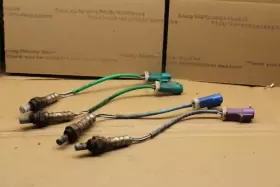
( Part Type: Sensor ), ( Conditions Options: A ), ( Genuine Oem: Yes ), ( Ipn: 339.fd1g02 ), ( Year: 2002 ), ( Warranty: 60 Day )
Review FORD Oxygen Sensors A/t 3.8l Low Emissions Pieces fits MUSTANG 2001–2003
The Ford 339 FD1G02 oxygen sensors are essential components of the emissions system in various models of Ford Mustang manufactured between 2001 and 2003. These sensors are designed to monitor the oxygen content in the exhaust gases, providing crucial information to the engine management system for optimal fuel-air mixture combustion.
The Ford 339 FD1G02 oxygen sensors are compact, hexagonal devices typically mounted near the exhaust manifold or in the catalytic converter. They are equipped with a heated ceramic sensing element, which changes electrical resistance according to the oxygen concentration in the exhaust gases. This resistance change is translated into a voltage signal by the sensor's electronics, providing real-time feedback to the engine control unit (ECU).
The sensor's body is made of high-temperature-resistant materials, such as stainless steel or ceramic, ensuring durability and reliability under extreme operating conditions. The sensor's electrical connections are protected by a robust and corrosion-resistant shield, ensuring a reliable electrical connection and prolonging the sensor's lifespan.
These oxygen sensors are crucial for maintaining the Mustang's emission compliance and fuel efficiency. A faulty oxygen sensor can lead to poor engine performance, increased fuel consumption, and failure to meet emissions standards. Regular inspection and replacement of these sensors, as recommended by the vehicle's maintenance schedule, can help ensure the Mustang's optimal performance and reliability.
In summary, the Ford 339 FD1G02 oxygen sensors are essential components of the Mustang's emissions system, providing real-time feedback to the engine control unit for optimal fuel-air mixture combustion. Their robust design and corrosion-resistant materials ensure durability and reliability under extreme operating conditions, making them a vital investment for any Mustang owner seeking to maintain optimal performance and emissions compliance.
Pros of Buying Ford 339 FD1G02 Oxygen Sensors (2001-2003 Mustang):1. Improved Engine Performance: New oxygen sensors can help improve your engine's performance by accurately measuring the amount of oxygen in exhaust gases, which in turn helps the engine control its air/fuel mixture.
2. Enhanced Fuel Efficiency: By maintaining proper air/fuel ratios, a new oxygen sensor can help improve your car's fuel efficiency.
3. Reduced Emissions: Oxygen sensors play a crucial role in the vehicle's emissions system. A faulty sensor can cause your car to emit more harmful pollutants than necessary, so replacing it can help reduce your vehicle's emissions.
Cons of Buying Ford 339 FD1G02 Oxygen Sensors (2001-2003 Mustang):1. Cost: Replacing oxygen sensors can be expensive, especially if you're dealing with multiple faulty sensors.
2. Labor Costs: If you're not mechanically inclined, you'll need to pay a professional to install the new sensors, which can add to the overall cost.
3. Potential for Further Issues: Replacing one oxygen sensor may reveal other problems in your vehicle's emissions system, which could require additional repairs.
Conclusion: While replacing your Ford 339 FD1G02 oxygen sensors can improve your car's performance, fuel efficiency, and emissions, the cost and potential for further issues should be considered. If you're experiencing symptoms of a faulty oxygen sensor, such as poor engine performance or check engine light, it may be worth investing in a new sensor to prevent further damage.
Recommendation: If you're considering replacing your oxygen sensors, it's a good idea to research the best replacement options and compare prices from multiple sources. You may also want to consider doing the installation yourself to save on labor costs, but be sure to consult your vehicle's owner's manual or a mechanic to ensure you're doing it correctly.
Details:
specifications motoralph:
- for models: Mustang
- for makes: Ford
- for years: 2001-2003
- part type: Sensor
- conditions options: A
- genuine oem: Yes
- ipn: 339.fd1g02
- year: 2002
- warranty: 60 Day
returns motoralph:
- policy: Returns Accepted
- paid by: Buyer
- time: 60 Days
shipping motoralph:
- class: Standard
- type: Fixed
- service: Standard
- transit: 6-10 Days
- cost: $0.00
offer motoralph:
- started: May 25, 2024
- sold: 0
- best offers: True
- quantity: 1
- availability: In Stock
- options: Ship-to-home
seller motoralph:
- city: Rancho Cordova, California
- rating: 99.2%
- # reviews: 16541
payments motoralph:
- wallet: Apple-pay
- credit card: Visa
general motoralph:
- Parts Accessories > Car Truck Parts Accessories > Other Car Truck Parts Accessories
- condition: Used
Ford Is Similar To:
- Ford Ar33-3k512-agw 10-14 Mustang Bottom Section Of Steering Wheel Column Cover Oem Ar33-3k512 (31.3% similar) Se nevi con USPS ground advantage. El estate es used. 10-14 ford mustang bottom section of steering wheel column cover oem AR33-3K512...(May 20th, 2024)
- Ford 613.fd1g02 2001 2002 2003 2004 Mustang High And Low Tone Horns Pair (65% similar) ...(May 25th, 2024)
- Ford F7zc-2c205-aa 2001 2002 2003 2004 Mustang Right Passenger Front Abs Sensor (48.8% similar) ...(May 25th, 2024)
- Ford 643.fd1g02 2000 2001 2002 2003 2004 Mustang Right Passenger Door Latch Lock Actuator (50.6% similar) ...(May 26th, 2024)
- Ford 4l3a-12a650-adc 2004 F150 5.4l 2whd Federal Emissions Engine Computer (41.5% similar) This computer is refurbished and tested for functionality. This engine computer also referred to as an control module ecm, unit ecu power train Cm is a guaranteed replacement for all 2004 ford truck f-series Cm model's with 5.4L engine size and matching part number 4L3A-12A650-ADC...(June 1st, 2024)
- Ford 251-01017 Set Of 2 Interior Radio Side Trims Tab Fits 05-09 Mustang (26.8% similar) 2008 ford mustang, coupe, 2 door, 4.0L, 6C, 5 speed, RWD, automatic transmission, gas. Ship the item back. Interior is black leather. 21652 white ave. Painted parts warranty doors, trunks, fenders, hoods, bumpers. Interior trim code is Jew...(June 4th, 2024)
- Ford 646-01158 Fuse Junction Box Engine Fits 07-08 Mustang (26.6% similar) Any damage done must be noted and signed for by the delivery driver on bill of lading at time. If it is not on the b.o.l. Most ecu's, modules, speedometers, radios may need to be programmed by the dealer ensure proper function...(June 10th, 2024)
- Ford 251-01203 17 Mustang Gt California Special Oem Dash Trim Bezel Set (32.1% similar) No expedited shipping is available...(June 22nd, 2024)
- Ford 649.fd1h11 2011 11 Mustang Dash Wire Wiring Harness 3.7l At (41.6% similar) 2011 11 ford mustang dash wire wiring harness 3.7L at 102103 please see below in part detail for part details and fitment. For manual transmissions clutch comes as bonus, no warranty on. 2011 ford mustang, coupe, 3.7L, 6C, RWD, automatic transmission, gas, 149,433 miles. Transmission...(June 26th, 2024)
- Ford Mr3c-2b373-da 21 Mustang Gt 5.0l Mt Performance Package Abs Pump Assembly (36.8% similar) No expedited shipping is available...(July 3rd, 2024)
- Ford Ar33-3530-ahw 2010-2014 Mustang Upper Steering Wheel Column Cover Oem (45.3% similar) This item is in perfect condition may have slight storage marks. Part number: AR33-3530-HAW. Items may show light scuffs, scratches or other imperfections as a result of this being used part. Genuine oem part. Came out from 2014 ford mustang...(July 4th, 2024)
