31079R1 Bolt
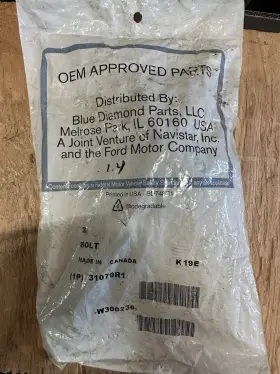
( Brand: International ), ( Manufacturer Part Number: 31079R1 ), ( Part Type: Bolt )
Review INTERNATIONAL Bolt
The International 31079R1 bolt is a critical fastener component used in various industrial and automotive applications. This bolt is engineered to meet the highest standards of strength, reliability, and durability.
The 31079R1 bolt is a hex head, SAE Grade 5, high-tensile bolting solution. Its hexagonal head shape provides a large contact area between the bolt and the socket or wrench, ensuring optimal torque transfer during tightening. The Grade 5 designation indicates that it is made of alloy steel with a minimum tensile strength of 130,000 psi (907 MPa). This makes it suitable for applications requiring high load-bearing capacity and resistance to shear forces.
The 31079R1 bolt features a zinc-coated finish. The zinc coating provides excellent corrosion resistance, ensuring the bolt maintains its structural integrity even in harsh environments. The coating also helps to prevent the bolts from seizing or galling during the installation and removal processes.
This bolt has a thread pitch of M12 x 1.75, meaning it has twelve threads per inch, with a thread diameter of 12.7 mm and a thread depth of 1.75 mm. The length of the bolt can vary, with common lengths ranging from 25 mm to 150 mm. The specific length should be confirmed based on the application requirements.
The International 31079R1 bolt's shank diameter is 12.7 mm, and it has a UNC (Unified National Coarse) thread form. The Unified National Coarse thread form is a widely used thread form in the United States and allows for interchangeability with other bolts of similar size and thread pitch.
The International 31079R1 bolt is an essential component for anyone seeking a reliable, strong, and corrosion-resistant fastener solution for their industrial or automotive projects. Its versatile design, high tensile strength, and protective zinc coating make it an indispensable asset in various applications where safety and durability are paramount.
Buying an international 31079-R1 bolt involves considering several pros and cons before making a decision. Here are some potential advantages and disadvantages:
Pros:1. Widely Accepted Standard: The 31079-R1 bolt is a widely accepted standard in various industries, including automotive, aerospace, and construction. Adhering to this standard can ensure compatibility with other components and ease of sourcing.
2. High Strength: This bolt grade offers high tensile strength, making it suitable for applications where load-bearing capacity is essential.
3. Corrosion Resistance: The 31079-R1 bolt is often made of stainless steel, which provides excellent resistance to corrosion and weathering, ideal for applications in harsh environments.
Cons:1. Cost: The cost of 31079-R1 bolts can be higher compared to other bolt grades due to their high strength and corrosion resistance properties.
2. Availability: Depending on the location and specific industry, availability might be a concern for some buyers. In remote or less industrialized areas, sourcing these bolts could be challenging.
3. Overkill for Some Applications: If the application does not require the high strength or corrosion resistance offered by the 31079-R1 bolt, it may be considered an overkill and an unnecessary expense.
In conclusion, the decision to buy an international 31079-R1 bolt depends on the specific requirements of the application. If high tensile strength, corrosion resistance, and compatibility with industry standards are essential, then this bolt may be the best choice. However, if cost or availability is a concern, or if the application does not require the advanced properties of this bolt, alternative options should be considered.
Recommendation:Before purchasing an international 31079-R1 bolt, carefully evaluate the application's requirements, including load-bearing capacity, corrosion resistance, and compatibility with industry standards. If the application demands these properties, then the investment in a 31079-R1 bolt may be justified. Otherwise, consider alternative bolt grades or materials that better suit the application's needs and budget.
Details:
New old stock.
part #: 31079r1 prices
- $24.86-$40.87
specifications motoralph:
- brand: International
- mpn: 31079r1
- part type: Bolt
offer motoralph:
- quantity: 1
- options: Ship-to-home
- availability: In Stock
- sold: 0
- started: April 24, 2026
payments motoralph:
- credit card: Discover
- wallet: Apple-pay
- other
general motoralph:
- Motors > Parts Accessories > Other
- condition: New
returns motoralph:
- time: 30 Days
- policy: Returns Accepted
- paid by: Seller
shipping motoralph:
- cost: $5.62
- carrier: USPS
- service: USPS Ground Advantage
- type: Calculated
- class: Standard
- transit: 5-11 Days
seller motoralph:
- city: Closter, New Jersey
- rating: 99.7%
- # reviews: 349
International 31079R1 Is Similar To:
- International 1889334c91 Maxxforce Dt Egr Cooler Seal bolt Kit (46.7% similar) Open bag: triangular gasket with 3 holes is used, all other parts are new...(August 3rd, 2024)
- International 3580026c1 Used Genuine U-bolt Spring Seat (51.9% similar) Part number 3580026C1.: shipping and info: cost...(November 8th, 2024)
- International 3676489c1 U Bolt Shackle Leaf Spring (59.7% similar) Shackle leaf spring bolt...(February 9th, 2025)
- International 294612c1 Bolt (79.2% similar) ...(April 7th, 2025)
- International 1818242c1 Nos Bolt Air Cleaner Clamp (55.3% similar) Perfect for maintaining your vehicles air cleaner system, this bolt is a reliable and essential component keeping engine running smoothly...(October 15th, 2025)
- International 1883389c1 Bolt M8 X 40 High Temperature (55.7% similar) Designed specifically for trucks, trailers, and buses. Engineered with a factory-like design for effortless installation, ensuring perfect match your vehicle. Made of high-quality components for durability, reliability, and performance. Engineered using the latest technology to ensure product...(November 26th, 2025)
- International 7503193c1 New Bolt H (76.7% similar) Although it does not come with a warranty, you can trust that this product is reliable and durable for your automotive needs. This bolt is specifically designed to meet the requirements of manufacturers part number 7503193C1...(December 3rd, 2025)
- International 1820287c2 Bolt (81.5% similar) It comes with a warranty of other and is sold as single unit pack quantity...(March 2nd, 2026)
- International 3558938c1 Bolt (81.5% similar) Shipped with USPS ground advantage. Condition is new...(March 7th, 2026)
- International 344096c3 Bolt Self Lckng 7 16 20 X 1 (57.9% similar) Made of high-quality components for durability, reliability, and performance. Engineered using the latest technology to ensure product lasts longer in service. Manufactured following strict OE standards to work like the original component. Designed specifically for trucks...(March 11th, 2026)
- International 414079c1 Bolt Hh Flg 5 8 18 Unf X 2 1 4 (60.8% similar) Engineered using the latest technology to ensure product lasts longer in service. Engineered with a factory-like design for effortless installation, ensuring perfect match your vehicle. Manufactured following strict OE standards to work like the original component...(March 22nd, 2026)
