MERCEDES 2115401217 Rear Right Abs Sensor 531.MB1L04
fits model: E320. make: Mercedes. year: 2003–2006.
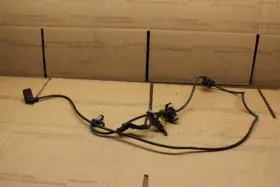
( Manufacturer Part Number: 2115401217 ), ( Part Type: Sensor ), ( Conditions Options: A ), ( Genuine Oem: Yes ), ( Ipn: 531.mb1l04 ), ( Make: Mercedes-benz ), ( Year: 2004 ), ( Sensor Type: Abs Speed Sensor ), ( Placement On Vehicle: Rear, Right )
Review MERCEDES Right Rear Abs Sensor fits E320 2003–2006
The Mercedes-Benz E320, manufactured between the years 2003 and 2006, is a luxurious sedan known for its sophistication, performance, and advanced safety features. One such safety feature is the Antilock Braking System (ABS), which ensures stable vehicle control under hard braking conditions. The right rear ABS sensor (OEM part number 2115401217) is an essential component of this system.
This sensor is responsible for monitoring the wheel speed at the right rear wheel of the vehicle. It sends feedback to the ABS control unit about the speed of the wheel to help maintain optimum traction during emergency braking situations. It continually measures the speed and adjusts the hydraulic pressure to prevent the wheels from locking up, allowing the vehicle to steer effectively and reduce the risk of skidding out of control.
The sensor employs a Hall-effect technology to detect the rotation speed. The solid-state construction provides reliable performance and robustness against extreme temperatures and various driving conditions. When the sensor detects an issue, such as a malfunctioning wheel speed signal, it triggers the ABS warning light on the dashboard, advising the driver to inspect and replace the sensor as required.
This Mercedes Benz E320 right rear ABS sensor is a vital piece of safety equipment designed to ensure reliable braking performance and provide optimal control when maneuvering in critical situations. Replacing a faulty sensor ensures the continued operation of the ABS system and the overall safety of the vehicle. It is highly recommended to install genuine Mercedes-Benz parts, such as this OEM 2115401217 sensor, to ensure proper fit, function, and performance.
Pros and Cons of Buying a Used 2003-2006 Mercedes-Benz E320 Rear ABS Sensor
1. Pros:a) Affordability: A used Mercedes-Benz E320 with a rear ABS sensor issue is generally more budget-friendly compared to buying a new vehicle or an identical used car from a dealership.
b) Availability: You can find numerous options when shopping for a used E320 with a faulty ABS sensor on various online marketplaces, local car dealerships, and private sales.
c) DIY repair: If you are mechanically inclined, you might consider purchasing a used E320 with a known issue like a faulty ABS sensor to fix it yourself and save on labor costs.
d) Reliability: The Mercedes-Benz E320 is known for its robust design and German engineering, ensuring that the vehicle should last many years beyond fixing a single sensor issue.
e) Cost-effective: Replacing a single faulty ABS sensor is more cost-effective compared to other potential repairs and maintenance tasks on the E320.
2. Cons:a) Unreliability: When buying a used car, there's always the risk of encountering other unforeseen issues besides the known ABS sensor problem.
b) Age of the vehicle: The 2003-2006 Mercedes-Benz E320 may be more prone to older issues due to its age, such as transmission problems or engine wear.
c) Quality of repair: If the seller has already attempted to repair the ABS sensor independently, there could be a risk of an incomplete or inaccurate repair, leading to further complications.
d) Hidden damages: Other potential issues within the vehicle that are not visible or known at the time of purchase could lead to unexpected repair costs.
e) Depreciation: Owning a used vehicle generally means dealing with the ongoing depreciation of your investment, increasing the risk of the eventual cost of owning the vehicle beyond the original purchase price.
Conclusion:Buying a used Mercedes-Benz E320 with a known rear ABS sensor issue can be a cost-effective way to own a premium vehicle with appealing features. However, potential buyers should weigh the pros (e.g., affordability, availability, DIY repair, reliability, and cost-effectiveness) against the cons (e.g., unreliability, age of the vehicle, questionable repair quality, hidden damages, and depreciation). Ultimately, signing the check or handing over the cash should depend on the overall condition of the car, the degree of familiarity with its service history, and the seller's transparency regarding any other potential issues.
Recommendation:While purchasing a used Mercedes-Benz E320 with a known faulty rear ABS sensor carries certain risks, it is essential to perform a thorough inspection on the vehicle and seek a pre-purchase vehicle inspection by a trusted mechanic. Inspect the vehicle's history report, ensure there are no hidden damages, verify the condition of other essential components, and be prepared for potential repair costs. Refrain from rushing into the purchase and taking time to evaluate the car's merits thoroughly to ensure a well-informed decision.
Details:
113000 not available or unknown.
specifications motoralph:
- for models: E320
- for makes: Mercedes
- for years: 2003-2006
- mpn: 2115401217
- part type: Sensor
- conditions options: A
- genuine oem: Yes
- ipn: 531.mb1l04
- make: Mercedes-benz
- year: 2004
- sensor type: Abs Speed Sensor
- placement on vehicle: Rear, Right
general motoralph:
- Car Truck Parts Accessories > Brakes Brake Parts > ABS Speed Sensors
- condition: Used
returns motoralph:
- paid by: Buyer
- time: 60 Days
- policy: Returns Accepted
offer motoralph:
- availability: In Stock
- quantity: 1
- started: November 23, 2024
- options: Ship-to-home
- sold: 0
- best offers: True
payments motoralph:
- wallet: Google-pay
- other
- credit card: Visa
seller motoralph:
- # reviews: 17213
- city: Rancho Cordova, California
- rating: 98.7%
shipping motoralph:
- class: Standard
- cost: $0.00
- transit: 5-11 Days
- type: Fixed
- service: Standard
Mercedes 2115401217 Is Similar To:
- Mercedes-benz 2124300507 16 E63s Amg W212 5.5l Abs Pump Assembly (30.8% similar) No expedited shipping is available...(May 28th, 2024)
- Oem E300 17 2017 Mercedes Rear Seat Headrest Set Black Leather (40.6% similar) No expedited shipping is available...(June 1st, 2024)
- Mercedes-benz 1405450201 92 93 W140 S500 Fuse Box Rear Trunk Relay Oem S11 (28.6% similar) Part #: mercedes-benz 1405450201 for sale...(June 6th, 2024)
- Mercedes-benz 206.mb1j19 19 2019 Glc300 Oem Front Seat Headrest Black Leather Passenger Right (21.4% similar) No expedited shipping is available...(July 5th, 2024)
- Mercedes-benz 210 830 06 72 2000-06 E Sensor Control Module Oem And Sana (30.4% similar) There is no holding of items unless agreed upon. Receipts are available upon request. First come first serve...(July 5th, 2024)
- Mercedes-benz 643.mb1u77 1974 1975 1976 1977 1978 1979 1980 450sl R107 Right Door Lock Actuator (24.8% similar) ...(July 5th, 2024)
- Mercedes-benz 212.mb1312 2012 Mercedes-benz Ml63 Amg Rear Left Seat Belt Retractor (44.6% similar) Standard warranty...(July 8th, 2024)
- Mercedes-benz 643.mb1s99 1995 1996 1997 1998 1999 S320 S420 W140 Right Rear Door Lock Actuator (32.5% similar) ...(July 25th, 2024)
- Mercedes-benz 1408310246 1995 1996 1997 1998 1999 S320 S420 S500 W140 Rear Air Vent Covers Trims (30.9% similar) ...(July 25th, 2024)
- Mercedes-benz 2134315601 19 Amg E63 4.0l Awd Abs Pump Assembly (29.7% similar) No expedited shipping is available...(July 27th, 2024)
- Mercedes-benz 2134313401 18 Amg S63 W222 4.0l Abs Pump Assembly (23.3% similar) No expedited shipping is available...(July 30th, 2024)
